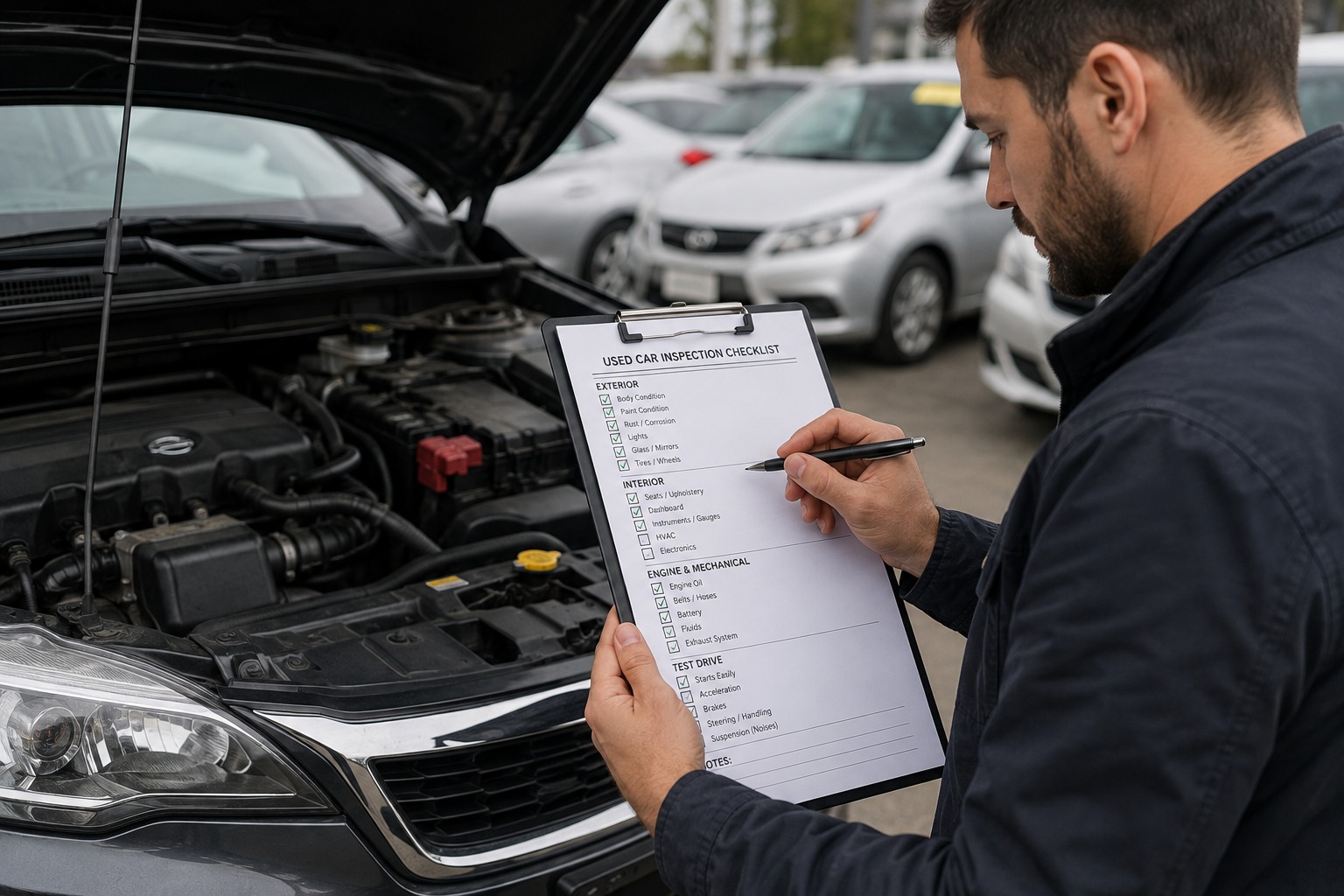
What to Check When Buying a Car: An Inspection Guide
Buying a car should never come down to how clean it looks in the photos or how convincing the seller sounds on the phone. Instead, knowing exactly what to check when buying a car is what separates a confident purchase from a very expensive mistake. Whether you are eyeing a locally used vehicle or a foreign used import, the same underlying principle applies: verify everything before you hand over your money. In this guide, we walk through both scenarios in detail — first the locally used purchase, then the foreign used import — so that you know precisely what to inspect, what questions to ask, and when to walk away.
What to Check When Buying a Car Before You Even Go See It
Before you arrange a viewing, however, there is groundwork to do. First, decide on your total budget, but do not spend all of it on the purchase price alone. Instead, set money aside for transfer and registration, insurance, an initial service, tyres, a battery, fluids, filters, and any minor repairs that may come up. After all, a “cheap” car that immediately needs a significant repair bill is not actually cheap.
Next, research the exact make, model, engine, and year rather than just the model name. For example, knowing that you want a “Toyota Axio” is not enough; you need to know whether it is a 2018, 1.5-litre, petrol, automatic version, because different engines and generations carry very different reliability records. Look into common engine and transmission problems, fuel consumption, timing chain or belt issues, suspension weak points, electrical faults, spare-part availability, servicing costs, and accident patterns associated with that specific model. This groundwork prevents you from falling for a car simply because it looks attractive.
What to Check When Buying a Car That Is Locally Used
Once you have found a specific locally used car to inspect, the process becomes far more hands-on. Below is the sequence worth following, from verifying the seller through to negotiating the final price.
Verify the Seller and the Documents
Before anything else, confirm that the person selling the car is actually the registered owner. If they are not, ask why — explanations such as “I'm selling on behalf of my brother” or “the papers are being processed” should raise questions rather than be accepted at face value, and pressure to skip this step should never be tolerated. Once ownership is clear, compare the paperwork against the vehicle itself, checking that the registration number, chassis or VIN number, engine number, make, model, colour, year, and engine capacity all match. If the physical VIN does not match the documents, stop and investigate before going any further.
Investigate the Car's History
Next, find out where the car came from — whether it was bought new locally, previously owned by a company, used as a taxi or rental, or imported. Just as importantly, establish whether it has ever been in a major accident, since a car can be made to look flawless after a serious crash through fresh paint and polished bodywork alone. Look for evidence of collision damage, flood damage, fire damage, chassis repair, airbag deployment, or odometer manipulation before moving on.
Inspect It Cold, Then Walk Around It
One useful trick here is to ask the seller not to start the car before you arrive, because a cold engine reveals far more than a warm one that has already been used to mask rough idling, smoke, or unusual noises. Once you arrive, stand back and look at the car as a whole rather than jumping straight inside. Check whether it sits level, whether the panel gaps are even, and whether the doors, bonnet, and boot line up properly, since uneven gaps often point to earlier accident repairs.
Examine the Paint, Bolts, and Engine Bay
Compare the paint across the fenders, doors, bonnet, roof, and boot, looking for differences in colour, gloss, texture, or overspray, since a single mismatched panel may mean a repaint following a minor bump. On its own, that is not necessarily a problem, but multiple repainted panels combined with structural irregularities should make you far more cautious. While the bonnet is open, check the bolts around the fenders, headlights, and radiator support for scratched heads, fresh paint, or tool marks, all of which suggest panels have been removed. Inside the engine bay, look for oil leaks around the valve cover and transmission, coolant leaks or residue, and check that the oil on the dipstick is at an appropriate level without obvious sludge or metallic particles.
Look Underneath and Check the Tyres
Using a flashlight, look underneath the car for oil, coolant, or transmission-fluid leaks, bent components, heavy rust, fresh welding, or chassis repairs, paying particular attention to the frame itself since cosmetic damage and structural damage are two very different things. Then inspect all four tyres for brand, tread depth, age, cracking, and uneven wear, and compare them with one another — mismatched tyres are not automatically a problem, but they are worth asking about. Finally, open the boot to check the spare wheel, jack, wheel spanner, and toolkit, then lift the boot floor to look for fresh paint, welding, or water damage underneath.
Assess the Interior and Test Every Feature
Once inside, compare the wear on the seats, steering wheel, pedals, and gear selector against the claimed mileage; for instance, a car supposedly driven 70,000 km with a heavily worn driver's seat and steering wheel deserves closer scrutiny. From there, test every single electrical feature — headlights, indicators, windows, central locking, mirrors, wipers, air conditioning, radio, Bluetooth, cameras, parking sensors, and the sunroof if fitted — rather than assuming everything works. Before starting the engine, watch the dashboard warning lights during their self-check, and note which ones remain on after the engine starts, since a persistent warning light is worth investigating.
Listen, Drive, and Scan
When you start the engine cold, listen for knocking, ticking, rattling, or grinding, and watch the exhaust for persistent blue, white, or black smoke. Let the engine idle, then test the transmission by moving through park, reverse, neutral, and drive while stationary, checking for delays or harsh engagement before assessing smooth gear changes on the road. During the test drive itself, brake gradually to check for pulling or vibration, test the steering for play or wandering, drive over bumps to listen for clunks or rattles, run the air conditioning properly rather than for a few seconds, and — where safe and legal — test the car at town, moderate, and highway speeds. Afterwards, check the temperature gauge for overheating and look underneath again for any new leaks. If possible, connect an OBD scanner, since it can reveal trouble codes that are not obvious from the dashboard, though a clean scan alone does not guarantee a perfect car — readiness monitors showing “not ready” can mean the codes were recently cleared.
Bring In a Professional and Weigh the History
Regardless of how thorough your own inspection has been, an independent mechanic — one with no financial interest in the sale — should still inspect the engine, transmission, suspension, steering, brakes, cooling system, electrical system, air conditioning, chassis, and underbody, ideally with the car on a lift. A seller who refuses this step is showing you a major red flag. Alongside the mechanical check, ask for service invoices, workshop records, and maintenance books rather than accepting “it has always been serviced” at face value, and remember that a well-maintained car with higher mileage is often a smarter purchase than a neglected one with lower mileage. Similarly, be cautious of unusually low mileage without supporting evidence, and separate any accident damage into minor cosmetic issues, moderate repairs that need inspection, and major structural damage that should generally send you walking away.
Negotiate from a Position of Knowledge
Once the inspection is complete, never let the seller control the process — a refusal to allow an independent inspection, pressure from a supposed second buyer, or a request for a deposit before verification are all reasons to hold firm rather than rush. Use whatever the mechanic found to negotiate from evidence rather than guesswork, and calculate the true cost of ownership by adding transfer costs, insurance, immediate repairs, and initial servicing to the purchase price. Finally, if time has passed between your inspection and payment, inspect the car one more time to confirm nothing has changed before completing the transaction.
What to Check When Buying a Car That Is a Foreign Used Import
A foreign used car — one imported from Japan, the UK, Europe, the UAE, Singapore, or elsewhere — needs a slightly different approach because it typically carries two separate histories: everything that happened before it was shipped, and everything that happened after it arrived. As a result, the checks above still apply, but several additional steps become essential.
Get the VIN and Verify the Auction Sheet
Before viewing the car, ask the seller for the full chassis or VIN number rather than simply asking whether the car is “clean.” For a Japanese import in particular, that number can be used to trace auction and export records, so it is worth requesting the original auction or inspection sheet if one exists — and then verifying it independently rather than trusting a screenshot supplied by the seller, since a fake or altered sheet can make a rough car look excellent on paper. Learn how the grading system works too, because an overall grade alone does not tell the whole story; the exterior grade, interior grade, accident notation, mileage, inspector comments, and damage diagram together give a far more complete picture, and a small bumper scratch is a very different risk from structural repair around the chassis.
Compare the Physical Car Against Its Documented History
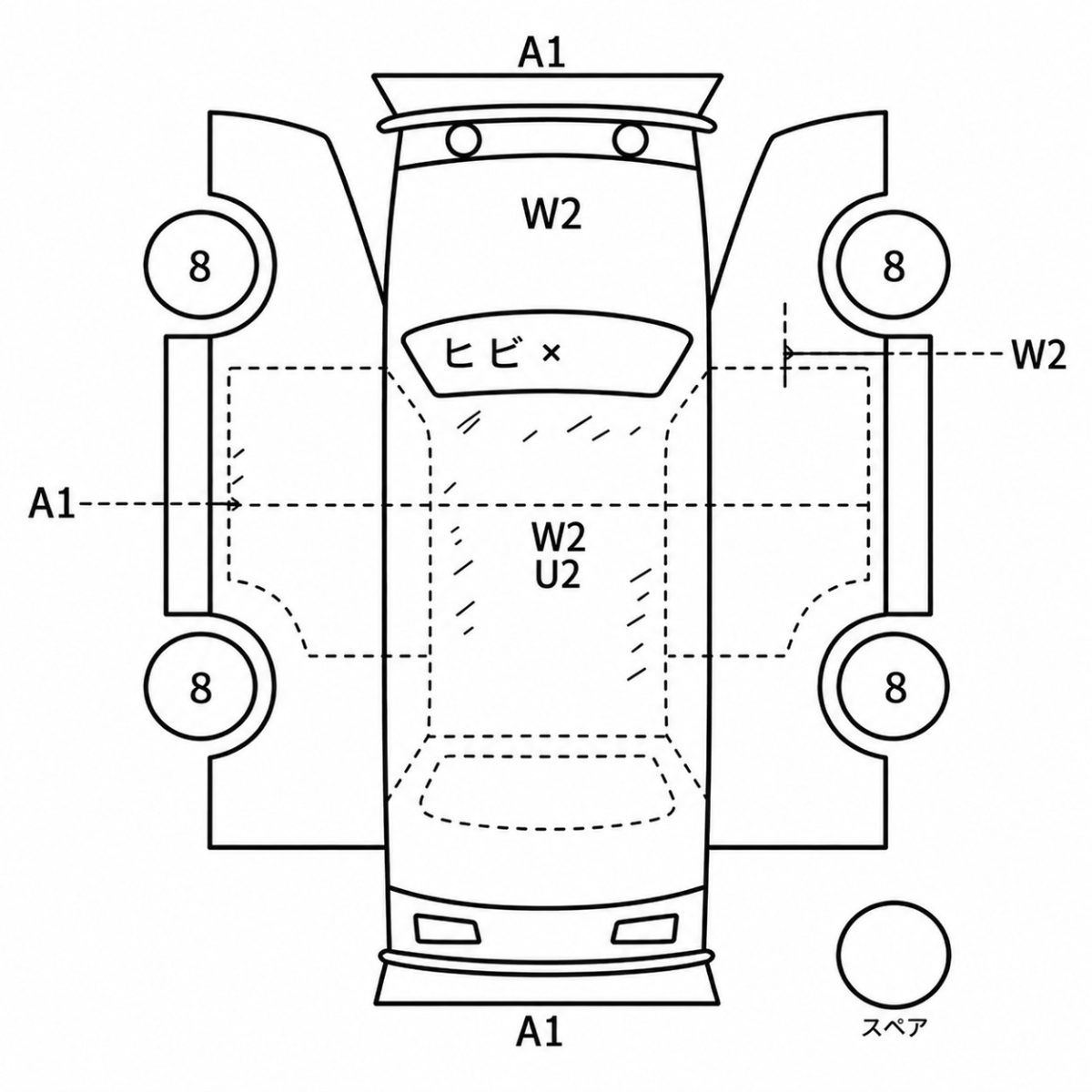
This is where real expertise pays off. If the auction record mentions only minor bumper damage, yet the physical car shows different headlights, a repainted bonnet, replaced fenders, or fresh welding marks, that mismatch deserves a direct explanation from the seller — and if the story does not add up, it is best to walk away.
Check for Rust, Flood Damage, and Structural Repairs
Depending on where the car was previously driven, corrosion risk varies considerably; vehicles from the UK or from snowy regions warrant particularly close inspection of the subframe, suspension mounting points, brake lines, exhaust, floor, and wheel arches because of road-salt exposure. Flood damage is another major concern with imported vehicles, so check under the carpets and seats, in the boot and spare-wheel well, and around wiring connectors for mud, silt, corrosion, water stains, or unusual smells, since flood-related electrical problems can surface months after the sale. Just as with a locally used car, have the chassis inspected underneath for deformation, straightening, or fresh undercoating, and treat any significant structural damage as a strong reason to walk away.
Check Modifications, Registration, and Equipment
Because foreign used cars are sometimes adapted for the local market, inspect the headlights, infotainment, radio frequencies, GPS, wiring, alarm, immobilizer, and reverse camera to make sure the modifications have not introduced electrical problems, and confirm whether the vehicle is right-hand or left-hand drive and properly registrable in your market. Verify the advertised specifications — engine size, engine code, transmission, fuel type, and trim — against the actual vehicle rather than assuming the listing is accurate, and check that the original keys, spare key, jack, and wheel wrench are all present, since a missing spare key can be surprisingly costly to replace. Just as importantly, verify the import, customs, and registration documentation through the appropriate authorities rather than relying on the dealer's word that “everything is cleared.”
Treat “Fresh Import” With Caution
A seller describing a car as a “fresh import, never driven locally” is giving you useful information, but that phrase describes only its local history, not its entire life — the vehicle can still carry accident history, repainted panels, high mileage, or even flood damage from before it was shipped. Likewise, do not assume that a car is flawless simply because it came from a particular country; the individual vehicle, its documented history, and its inspection results matter far more than its country of origin.
Compare Several Cars and Resist Pressure
Rather than inspecting one car and buying immediately, compare two or three examples on history, mileage credibility, auction grade, body and mechanical condition, equipment, price, and expected repair costs, since this makes it much easier to recognise a genuinely good example. Likewise, never let a claim that “other buyers are waiting” push you into paying a deposit before you are ready — a good car is worth waiting for, and rushing a purchase out of fear of missing out is rarely a good reason to buy.
Test It, Scan It, and Get an Independent Inspection
The mechanical and electronic checks are largely the same as for a locally used car — cold start, exhaust smoke, transmission behaviour, brakes, suspension, steering, and every electrical feature all deserve the same scrutiny. In addition, scan the vehicle with a proper diagnostic tool across the engine, transmission, ABS, airbag, and body or electrical modules rather than the engine alone, and once again, arrange an independent pre-purchase inspection with the car on a lift before committing to anything.
Know When to Walk Away
A mismatched VIN, a seller who cannot explain the vehicle's history, a suspicious or unverifiable auction sheet, a major mileage discrepancy, chassis repair, flood damage, serious rust, engine knocking, transmission slipping, persistent overheating, airbag problems, or a seller who refuses an independent inspection, diagnostic scan, or proper test drive should all be treated seriously. One issue on its own is not necessarily disqualifying, but several together are a clear signal to walk away.
Read more on: How to Confirm Your Car's Mileage Is Genuine: A Full Guide
The Smartest Way to Approach the Purchase
Ultimately, understanding what to check when buying a car comes down to following a consistent sequence rather than reacting to whatever the seller shows you first.
• Choose the exact model, engine, and year
• Research its common problems
• Find several examples to compare
• Verify the seller and the documents
• Inspect the car cold
• Check the body and chassis
• Check the engine and transmission
• Check the interior and electronics
• Take it on a test drive
• Run a diagnostic scan
• Arrange an independent mechanic's inspection
• Put it on a lift
• Review the service history
• Calculate the likely repair costs
• Negotiate based on the evidence
• Recheck the documents and the car
• Complete the payment and transfer properly
Final Thoughts on What to Check When Buying a Used Car
Rather than asking only “does this car look clean?”, ask four questions instead: is its history clean, is it mechanically healthy, is the body and chassis genuinely sound, and is the price fair once every discovered issue is accounted for? If the answer to all four is yes — whether you are looking at a locally used car or a foreign used import — you have very likely found a good one.