How to Freshen Car Interior: A Complete Guide to a Better-Smelling Cabin
A clean-looking car can still smell stale, musty, or simply unpleasant, which is why learning how to freshen car interior spaces properly makes such a noticeable difference to daily driving. Odors often come from spilled food, pet hair, cigarette smoke, moisture buildup, or simply months of everyday use. Because these smells can settle deep into fabric, carpet, and air vents, a quick spray of air freshener rarely solves the problem for long. In this guide, we will cover exactly how to freshen car interior spaces from the ground up, targeting the actual sources of odor rather than just masking them.
Why Interior Freshness Matters
Beyond simple comfort, a fresh-smelling cabin affects how passengers perceive your car, and it can even influence resale value if you plan to sell in the future. Additionally, persistent odors are sometimes a sign of an underlying issue, such as mold growth or a hidden spill, so addressing them properly can prevent bigger problems later. As a result, treating interior freshness as routine maintenance, rather than an occasional afterthought, pays off in both comfort and long-term vehicle care.
What You Will Need
Before you learn how to freshen car interior spaces step by step, gather the following supplies:
● A vacuum cleaner with crevice and upholstery attachments
● Baking soda
● A mild fabric or upholstery cleaner
● Microfiber cloths
● White vinegar (optional, for odour neutralising)
● An air freshener suited to your preference
● Activated charcoal bags (optional, for ongoing odour control)
Because different odour sources require different solutions, it helps to identify the cause before choosing your approach.
Step 1: Remove Trash and Clutter
Start by removing everything that does not belong in the cabin, including food wrappers, empty cups, and forgotten items under the seats. Clutter often traps smells and makes later cleaning steps less effective, so clearing it out first creates a better foundation for the rest of the process.
Step 2: Vacuum Every Surface Thoroughly
Next, vacuum the seats, floor mats, carpets, and any crevices where crumbs or dust tend to collect. Pay particular attention to areas under the seats, since forgotten food items are a common hidden source of bad smells. Use a crevice tool to reach tight spaces along seat seams and door panels, since dust and debris here often go unnoticed during a quick clean.
Step 3: Identify and Treat the Source of Odors
Rather than simply spraying fragrance everywhere, take a moment to identify where the smell is coming from. Common culprits include damp floor mats, spilled drinks, pet accidents, or moisture trapped in the air conditioning system. Once identified, treat that specific area directly using an appropriate cleaner, rather than relying on air freshener alone to cover the smell.
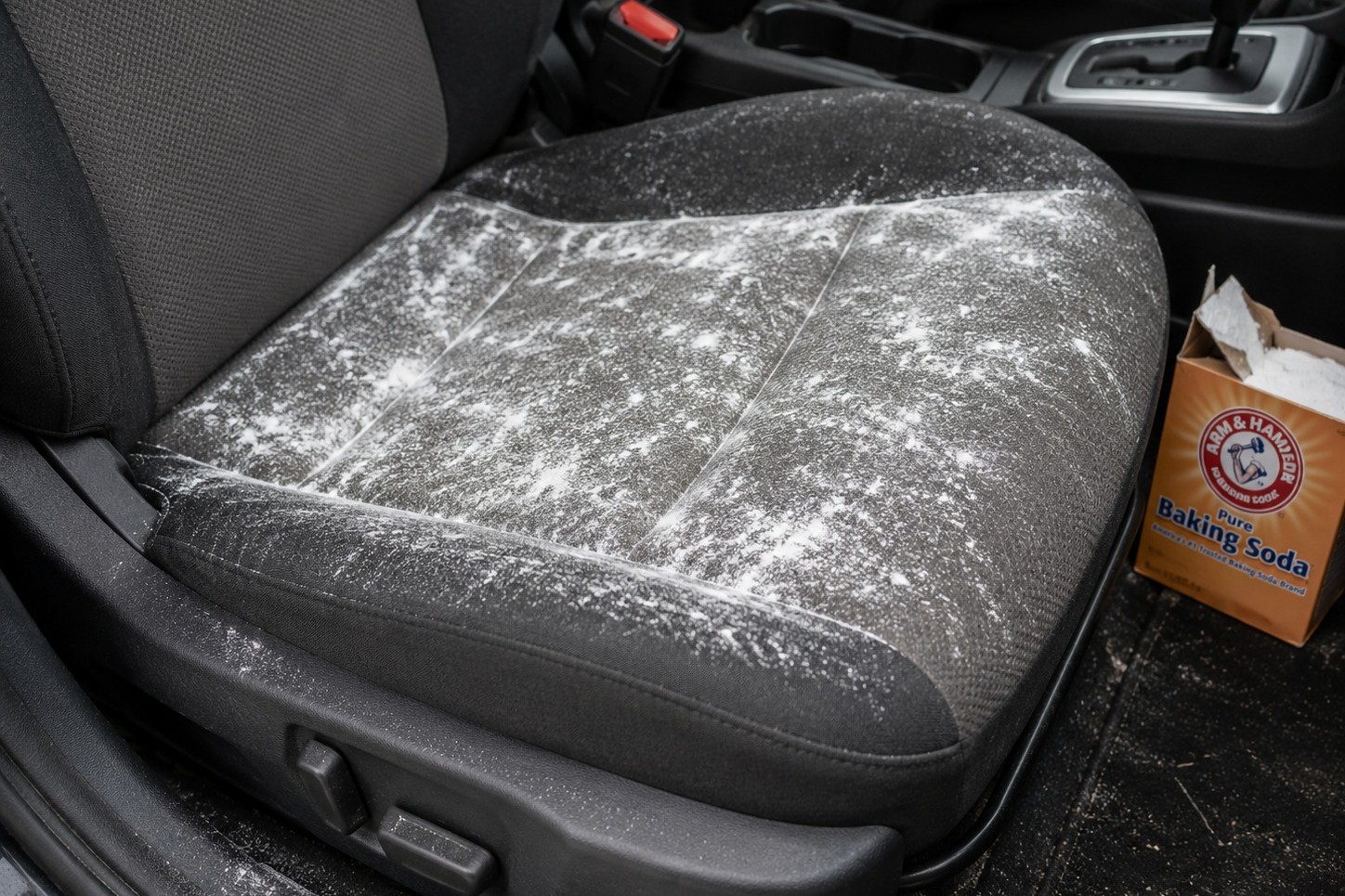
Step 4: Use Baking Soda to Absorb Odours
Baking soda is one of the most effective natural odour absorbents available. Sprinkle it generously over seats, floor mats, and carpets, then let it sit for several hours or overnight if possible. Afterwards, vacuum thoroughly to remove the powder along with the odor particles it has absorbed. This step alone can dramatically improve how the cabin smells, particularly for lingering, stubborn odours.
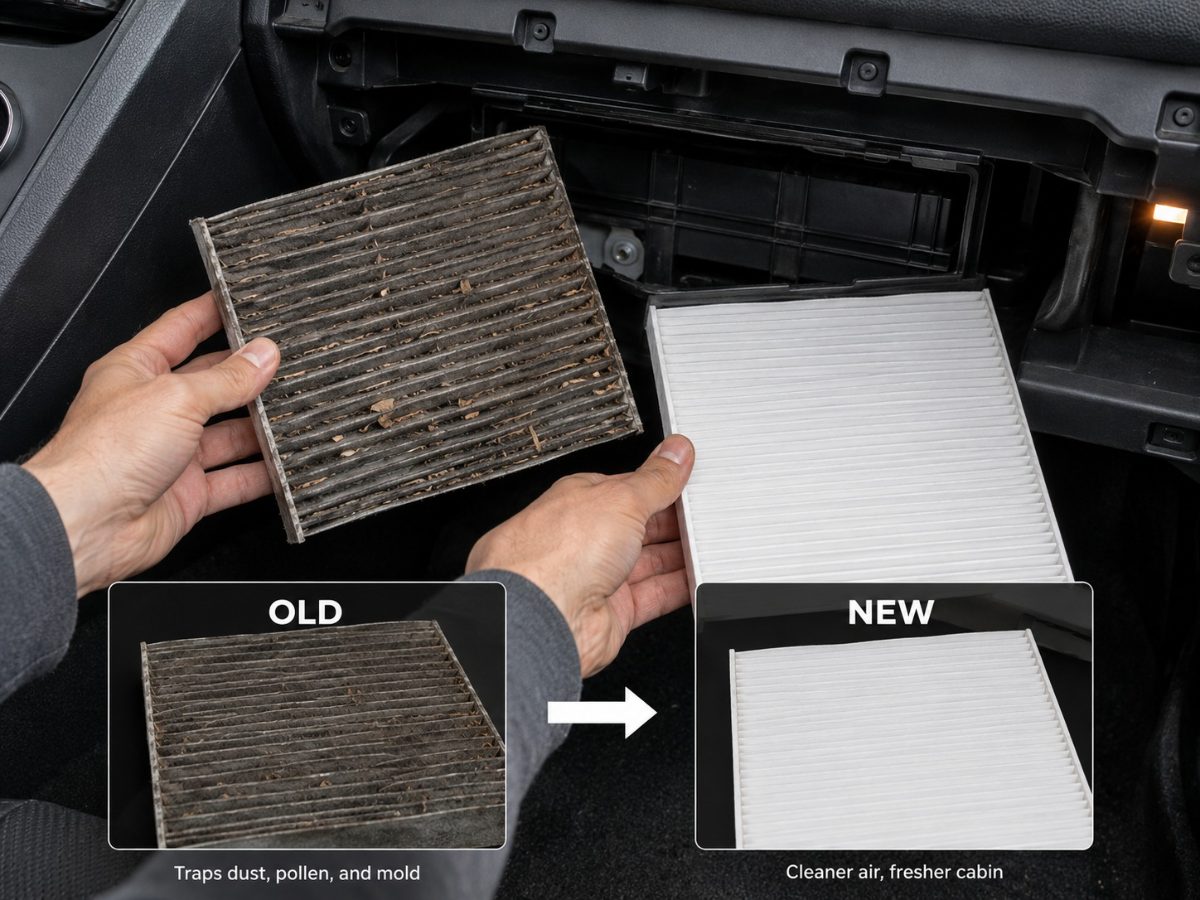
Step 5: Clean the Air Vents and Cabin Air Filter
Musty smells often come from the air conditioning or heating system rather than the seats or carpet themselves. Therefore, check your cabin air filter and replace it if it appears dirty or has not been changed recently. You can also spray a vent-safe disinfectant into the air intake, typically located near the windshield wipers, to eliminate bacteria and mold growing within the system.
Step 6: Wipe Down Hard Surfaces
Dashboards, door panels, and cup holders can harbor spilled liquids and grime that contribute to unpleasant smells. Wipe these surfaces down with a microfiber cloth and a mild cleaner, paying particular attention to cup holders, where sticky residue frequently builds up unnoticed.
Step 7: Address Fabric and Carpet Odours Directly
For persistent smells embedded in fabric or carpet, a diluted mixture of water and white vinegar can help neutralise odours without leaving a strong scent behind once dry. Lightly mist the affected area, blot with a clean cloth, and allow it to air dry completely with windows open, since trapped moisture can create new odour problems if left damp.
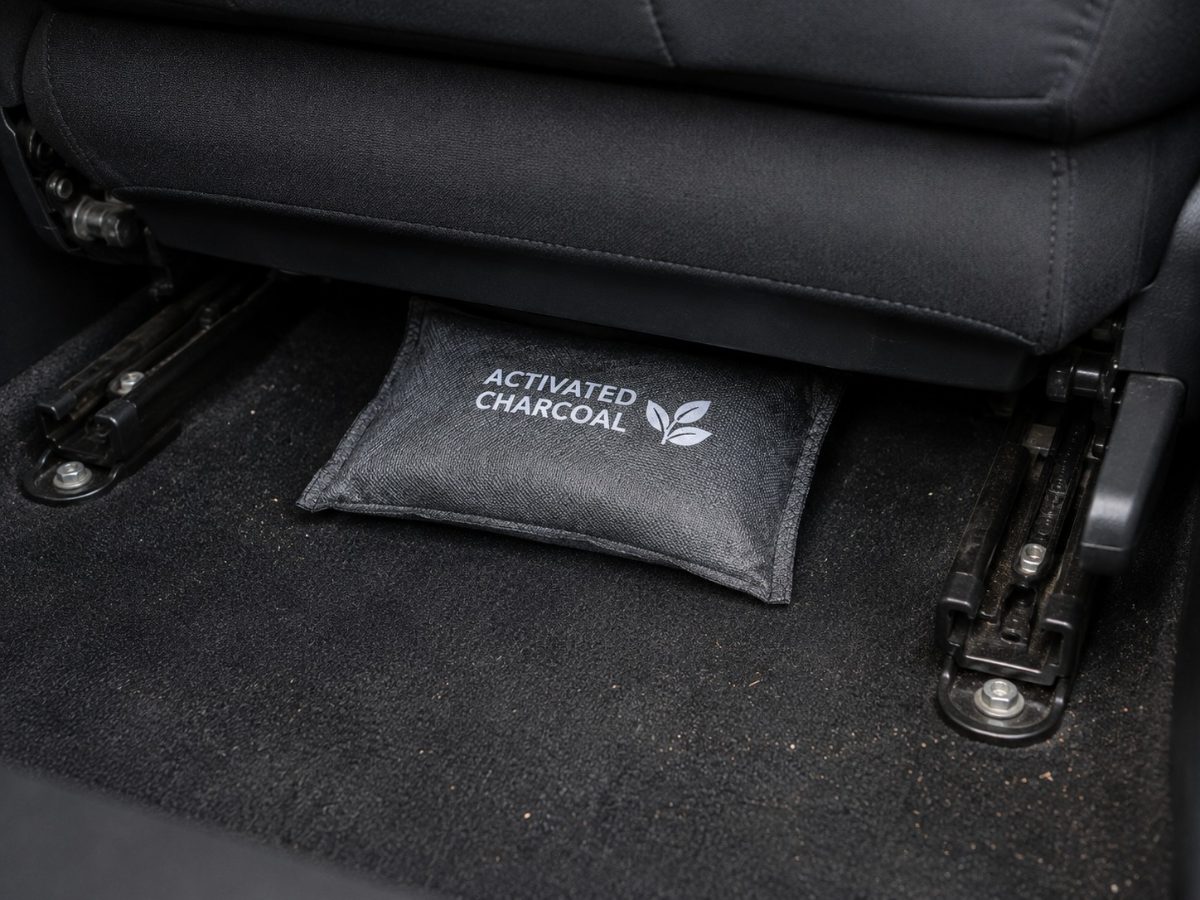
Step 8: Add Long-Term Odor Control
Once the cabin is clean, activated charcoal bags placed under seats or in door pockets can help absorb future odours before they build up. Unlike traditional air fresheners, charcoal works by absorbing odour molecules rather than masking them, making it a longer-lasting solution.
 Maintaining a Fresh Interior Going Forward
Once you know how to freshen car interior spaces properly, a few ongoing habits help keep your progress from going to waste. First, avoid eating in the car whenever practical, since food spills are among the most common odour sources. Second, wipe up spills immediately rather than letting them dry and set. Third, crack the windows occasionally on hot days to let trapped, stale air circulate out. Finally, vacuum monthly, since dust and debris accumulate faster than most drivers expect.
How Long Does It Take?
For most vehicles, a full deep clean following this process takes between one and two hours, depending on how much clutter and grime has built up over time. However, ongoing maintenance, such as wiping surfaces and vacuuming, typically takes only ten to fifteen minutes and can easily fit into a normal weekend routine. Spreading the work across a few sessions is also perfectly reasonable if you are short on time, since tackling one step at a time still leads to noticeable improvement.
Common Mistakes to Avoid
Many people rely solely on air fresheners without addressing the underlying cause, which only masks smells temporarily rather than solving them. Similarly, using strongly scented products in small, enclosed spaces can create an equally unpleasant, overwhelming smell. Furthermore, ignoring a damp cabin air filter or wet carpet allows mold to develop, which becomes far harder to remove once established.
Final Thoughts
Knowing how to freshen car interior spaces properly involves more than a quick spray of fragrance; it requires identifying odour sources, cleaning thoroughly, and maintaining good habits afterwards. By following the steps outlined above, you can transform a stale-smelling cabin into a genuinely pleasant space to drive in, whether for yourself, your family, or future passengers.