How to Check Car Fluids: A Complete Guide for Every Driver
Regular maintenance is one of the easiest ways to avoid costly repairs, and knowing how to check car fluids is one of the most fundamental skills any driver can learn. Engine oil, coolant, brake fluid, transmission fluid, power steering fluid, and windshield washer fluid all play a role in keeping your vehicle running smoothly. Because most of these checks take only a few minutes and require no special tools, there is little reason to skip them. In this guide, we will explain how to check car fluids step by step, so you can catch problems early and keep your vehicle healthy.
Why Checking Fluid Levels Matters
Before diving into the process, it helps to understand why fluid checks are so important. Low or dirty fluids can lead to overheating, poor braking performance, transmission damage, or even complete engine failure. Furthermore, catching a leak early through a routine fluid check can save you from a much larger repair bill later. Since many fluid-related problems develop slowly, regular inspection is often the only way to notice trouble before it becomes serious.
What You Will Need
To check car fluids properly, gather these basic items beforehand:
● A clean rag or paper towels
● Your vehicle's owner's manual
● A flashlight, if checking in low light
● Replacement fluid of the correct type, in case a top-up is needed
Because every vehicle has slightly different fluid locations and specifications, always confirm details in your owner's manual before adding anything.
Step 1: Park on Level Ground and Let the Engine Cool
Always check fluids when the vehicle is parked on level ground, since an incline can give an inaccurate reading. Additionally, most fluids should be checked when the engine is cool, particularly coolant, to avoid burns from pressurized, hot liquid. Give the car at least ten to fifteen minutes to cool down after driving before beginning.
Step 2: Check the Engine Oil
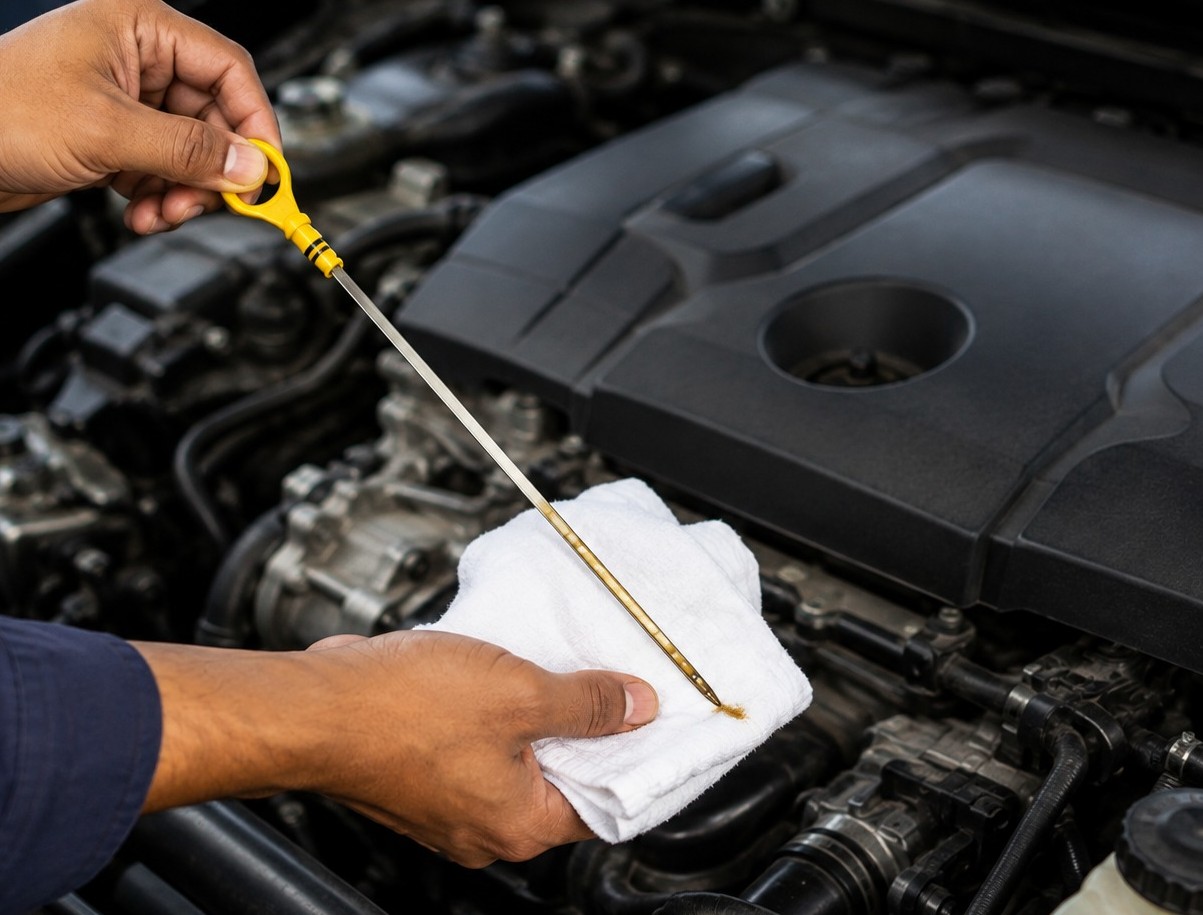
Locate the oil dipstick, usually marked with a bright handle, and pull it out. Wipe it clean with a rag, reinsert it fully, then pull it out again to get an accurate reading. The oil level should fall between the minimum and maximum marks. Meanwhile, pay attention to the oil's color and texture; it should appear amber to brown, not black or gritty. If the level is low, top it up with the oil type recommended in your manual.
Step 3: Inspect the Coolant Level
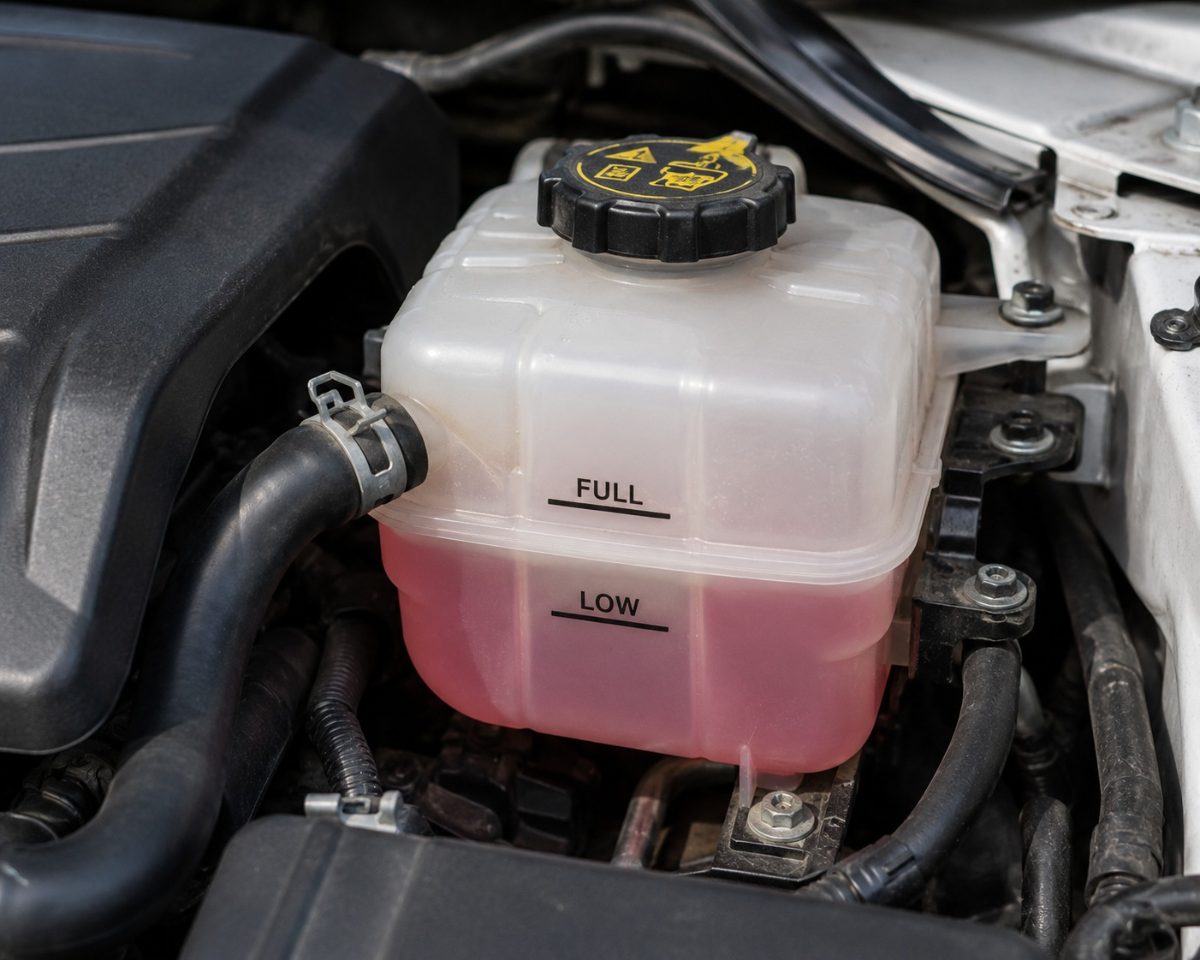
Locate the coolant reservoir, typically a translucent plastic tank near the radiator, and check that the level sits between the "low" and "full" markings. Never open the radiator cap when the engine is hot, since pressurized coolant can cause serious burns. If the level is low, top it off with a manufacturer-approved coolant mixture, and consider having the system inspected if you notice frequent low readings, since this often signals a leak.
Step 4: Check the Brake Fluid
The brake fluid reservoir is usually located near the back of the engine bay, close to the firewall. The fluid should sit between the minimum and maximum lines marked on the side of the container. Because brake fluid absorbs moisture over time, it should also look clear or slightly yellow rather than dark brown. A significant drop in level can indicate worn brake pads or a possible leak, so this is worth investigating further if noticed.
Step 5: Examine the Transmission Fluid
For vehicles with a dipstick for transmission fluid, the process is similar to checking engine oil: with the engine running and warmed up, pull the dipstick, wipe it, reinsert it, then check the level. The fluid should be pink or red and should not smell burnt. However, many modern vehicles use sealed transmissions without a dipstick, so consult your manual to confirm whether this step applies to your car.
Step 6: Check Power Steering Fluid
If your vehicle has hydraulic power steering, locate the reservoir, usually labeled and near the front of the engine bay. The fluid level should fall within the marked range, and the fluid itself should appear clean rather than dark or foamy. Electric power steering systems do not require this check, since they do not use hydraulic fluid.
Step 7: Top Off Windshield Washer Fluid
Finally, check the windshield washer fluid reservoir, which is often the easiest to identify due to its blue cap and windshield icon. Simply top it off as needed with washer fluid appropriate for your climate, particularly one rated for freezing temperatures if you live somewhere cold.
How Often Should You Check Car Fluids?
As a general guideline, checking your fluids once a month is a reasonable habit, along with checks before long road trips. Consequently, this routine helps you catch slow leaks or gradual depletion before they cause real damage. Some drivers prefer checking fluids every time they fill up with fuel, which is also a convenient and effective schedule.
Warning Signs That Require Immediate Attention
While routine checks are helpful, certain signs mean you should inspect your fluids immediately rather than waiting for your next scheduled check. These include dashboard warning lights, visible puddles beneath the vehicle, unusual smells, or a noticeable change in how the car drives. In such cases, checking the relevant fluid right away can help you determine whether the issue is minor or requires a mechanic's attention.
A Quick Reference Checklist
To make this process even easier going forward, keep a short checklist in your glovebox or on your phone. It should include the engine oil level, coolant level, brake fluid level, transmission fluid condition, power steering fluid, and washer fluid. Ticking through this list every few weeks takes only a couple of minutes, yet it consistently helps drivers catch issues before they turn into breakdowns. Over time, this quick habit becomes second nature, much like checking your tire pressure or mirrors before a drive.
Final Thoughts
Understanding how to check car fluids is a simple yet powerful habit that protects your engine, transmission, brakes, and overall vehicle performance. By following the steps above and building a consistent checking routine, you can catch problems early, avoid unnecessary repairs, and keep your car running reliably for years to come.