What Is the Best Second Hand Electric Car? A Practical Buyer's Guide
Electric vehicles have moved from niche to mainstream, and that shift means the used market is finally worth exploring. Even so, many shoppers still wonder what is the best second hand electric car for their needs, since battery health, range, and charging habits all work differently than they do with a used gasoline car.
In this guide, we'll break the question down from every angle, so you can compare your options with confidence rather than guessing. By the end, you should have a clear framework for judging what is the best second hand electric car for your specific situation, rather than relying on a single "top pick" list.
Why the Used EV Market Deserves a Closer Look
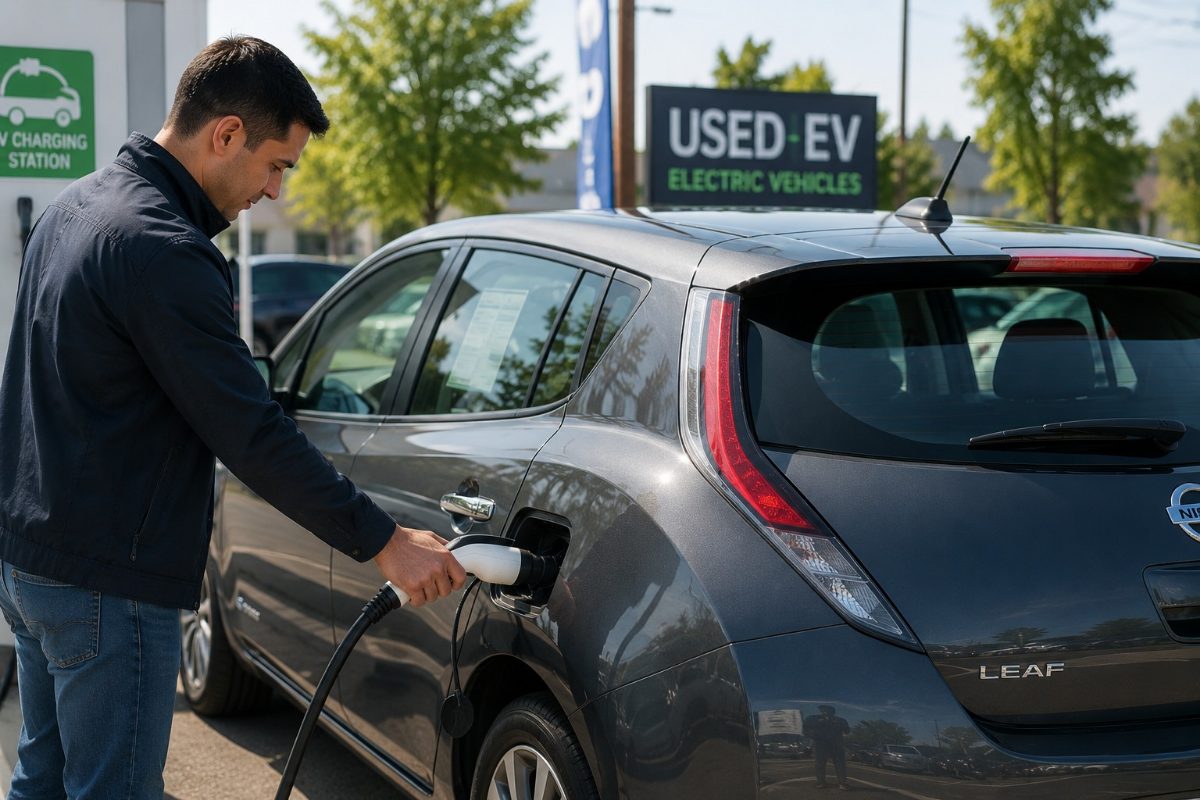
Electric cars depreciate faster than most gas vehicles in their first few years, which means secondhand buyers can often get a lot of technology for relatively little money. As a result, the used EV market has become one of the smartest places to shop if you're looking for advanced safety features, low running costs, and a quiet, smooth drive without paying full retail price.
However, not every used electric car ages the same way. Because of this, figuring out what is the best second hand electric car for you depends on a handful of specific factors, which we'll walk through below.
What Makes One Electric Vehicle Better Than Another
Unlike a used gas car, where mileage and engine condition dominate the conversation, a secondhand EV comes with its own set of considerations. Understanding these first will make it much easier to compare specific models later.
Battery Health and Remaining Range
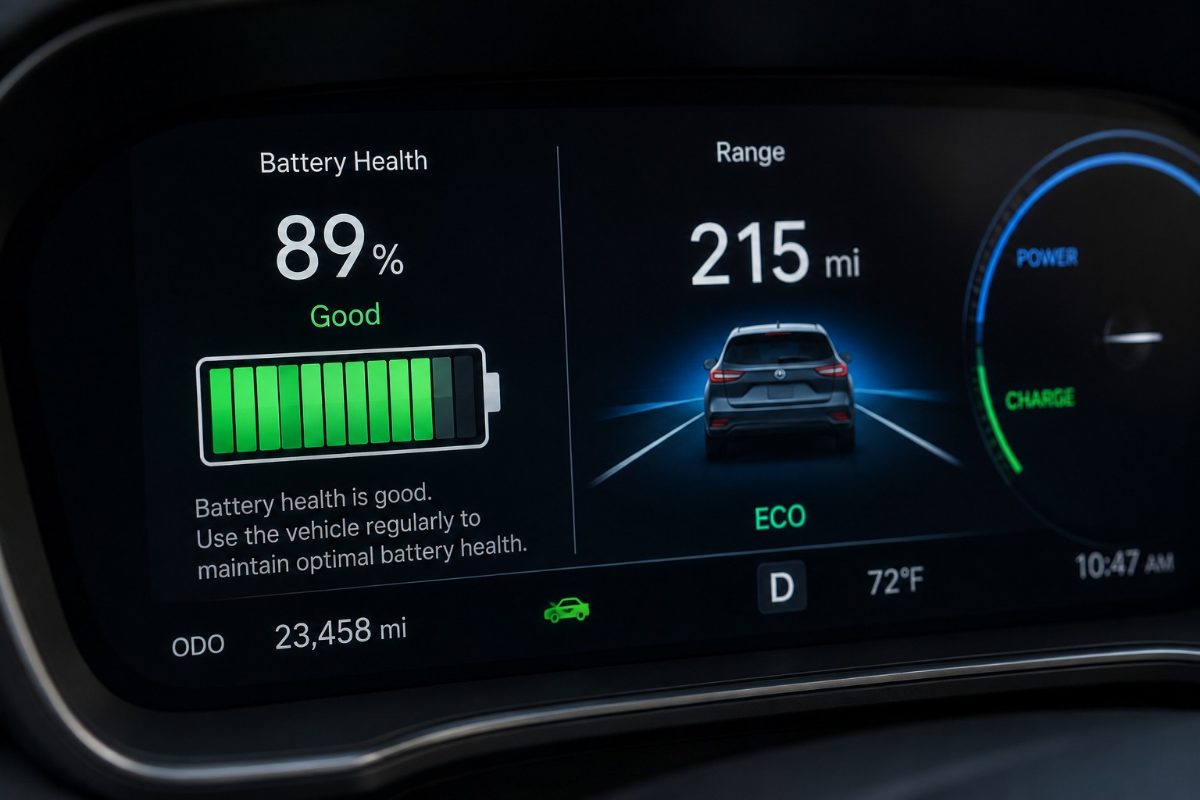
The battery is the single most important part of any used electric vehicle, since it directly determines how far you can drive and how much a future replacement might cost. Therefore, always ask for a battery health report or state-of-health percentage before buying. Furthermore, compare the car's real-world range against its original rated range, because a significant drop can be a red flag.
Charging Speed and Compatibility
Not all electric vehicles charge at the same speed, so check whether the model supports fast DC charging and which charging network or connector type it uses. Consequently, a car that charges quickly and works with widely available public chargers will usually be more convenient day to day than one limited to slower home charging alone.
Software and Ownership Costs
Modern EVs rely heavily on software for everything from navigation to battery management. In addition, some manufacturers offer free over-the-air updates, while others charge subscription fees for features that used to be included. Because these costs add up over time, it's worth researching them before you commit to a specific brand or model.
Popular Categories to Consider
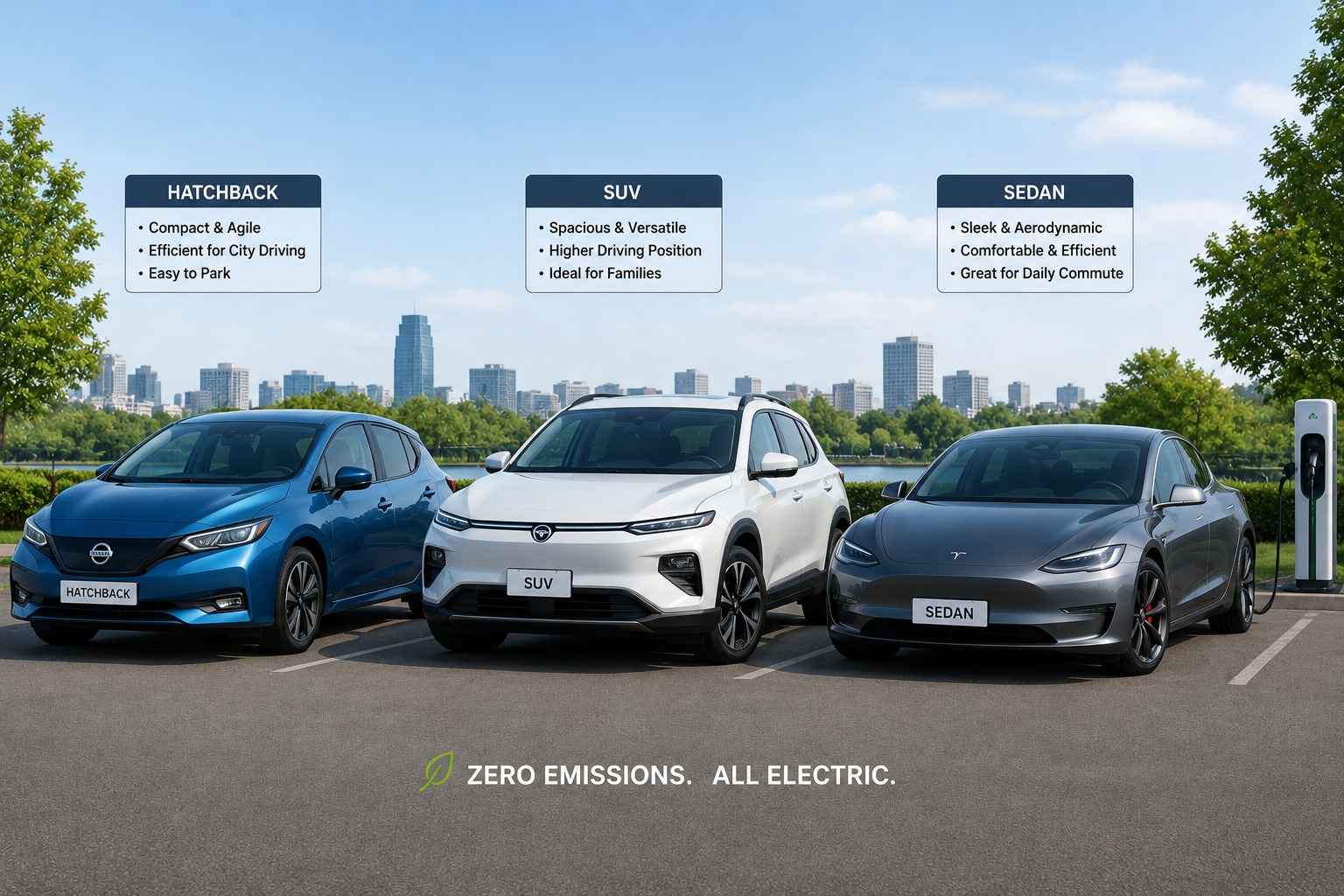
When people ask what is the best second hand electric car, the honest answer is that it depends on the category that fits their life.
Budget-Friendly City Cars
Compact electric hatchbacks are often the most affordable entry point into EV ownership. Although their range tends to be shorter, they're ideal for commuting, running errands, and city driving, where daily distances rarely stretch the battery's limits.
Long-Range Family EVs
If you regularly drive longer distances, look for electric SUVs or sedans with a strong original range and efficient energy use. Similarly, prioritize models with a wide public charging network, since long trips depend heavily on charger availability along your route.
Premium and Performance Options
For buyers who want more power, tech, and comfort, premium electric vehicles offer strong acceleration and upscale interiors. Even so, these models often carry higher insurance and repair costs, so weigh the extra features against your actual budget.
How to Compare Specific Models
Once you understand the categories, the next step is comparing individual listings side by side. Look at the original manufacturer's range rating, then factor in age, mileage, and battery health together, rather than judging any single number on its own. Additionally, read owner reviews and reliability data specific to that model, since some EVs age far better than others.
Are Chinese Cars Reliable? The Honest, Evidence-Based Answer
Inspecting a Used Electric Car Before You Buy
Beyond specs and reviews, a hands-on inspection matters just as much as it does with any other vehicle. Test the charging port for damage, check that all charging cables are included, and take the car for a drive that includes both city and highway speeds. Moreover, pay attention to unusual noises from the motor or regenerative braking system, since these can signal underlying issues.
If possible, arrange an independent inspection from a technician familiar with EVs specifically, because traditional mechanics may not be equipped to properly assess battery and drivetrain health.
Warranty and Battery Coverage
Many manufacturers offer separate, longer warranties for the battery pack compared to the rest of the vehicle. Because of this, always check whether the battery warranty is transferable to a second owner and how many years or miles remain. A used EV still under battery warranty offers considerably more peace of mind than one that has just aged out of coverage.
Pricing and Negotiation Tips
Because used EV pricing can vary widely between similar-looking listings, it pays to compare multiple sources before settling on a number. Check recent sold listings, not just asking prices, since these reflect what buyers are actually willing to pay. Furthermore, if a battery health report shows meaningful degradation, use that information to negotiate the price down, just as you would with any other mechanical wear on a traditional used car.
Common Mistakes to Avoid
Buyers often focus only on price and mileage while ignoring battery health entirely, which can lead to costly surprises. Others skip test-driving with a full range of speeds, or forget to check charging cable compatibility with their home setup. Finally, some shoppers overlook remaining warranty coverage, even though it can significantly affect long-term costs.
Final Thoughts
There's no single answer to what is the best second hand electric car, since the right choice depends on your budget, driving habits, and access to charging. By focusing on battery health, charging compatibility, and remaining warranty coverage, however, you'll be equipped to compare listings intelligently and choose a used EV that actually fits your life, rather than one that simply looks good on paper.