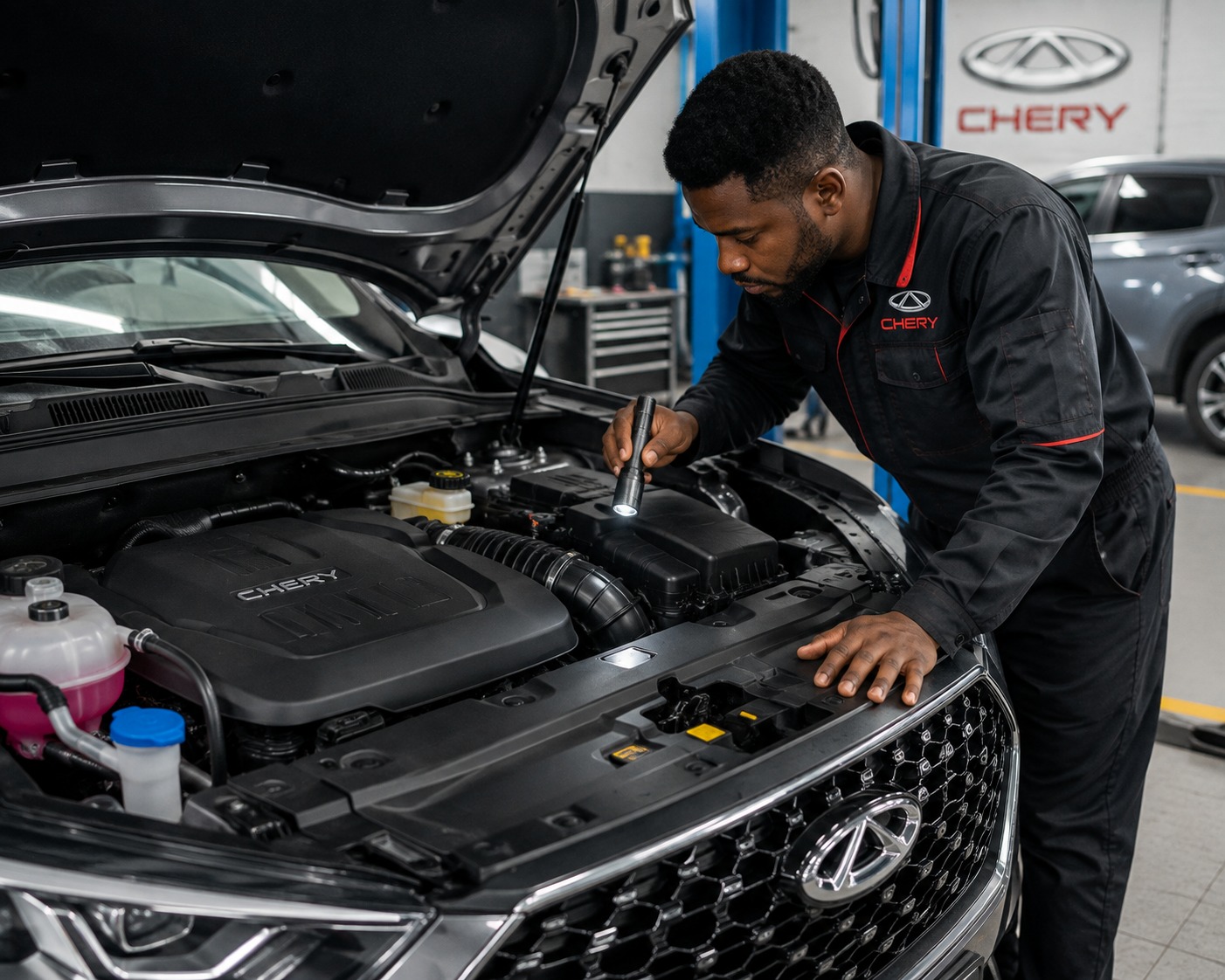
Are Chinese Cars Reliable? A Straightforward Look at the Evidence
It's one of the most common questions new-car shoppers ask, and for good reason: are Chinese cars reliable enough to trust with years of daily driving, school runs, and long family road trips? The honest answer is more nuanced than a simple yes or no, since reliability varies significantly between brands, models, and even model years.
In this guide, we'll unpack what reliability actually means for a modern vehicle, look at the evidence available so far, and help you judge for yourself whether a specific Chinese model is a smart choice.
Why This Question Comes Up So Often
For years, Chinese-built vehicles carried a reputation for cutting corners, and that perception has lingered even as the industry has changed dramatically. Because of this history, many buyers still instinctively ask are Chinese cars reliable before considering one seriously, even when the specific model in question has little in common with those earlier generations.
However, judging an entire country's automotive industry by its products from a decade or more ago is a bit like judging a modern smartphone by an early 2000s model from the same brand. Therefore, it's worth looking at more recent, model-specific evidence rather than relying on outdated assumptions.
How the Industry Has Changed
Over the past decade, many Chinese manufacturers have partnered with established global engineering firms, invested heavily in quality control, and adopted manufacturing standards similar to those used by long-established brands elsewhere. As a result, the production processes behind many current models look very different from those of a decade ago, even if the badge on the bonnet hasn't changed. This shift is a big part of why answering are Chinese cars reliable requires looking at current data rather than older impressions.
What Reliability Actually Measures
Before answering are Chinese cars reliable in general terms, it helps to define what reliability actually covers.
Mechanical Dependability
This refers to how often a vehicle experiences breakdowns, engine or transmission issues, and other significant mechanical failures over its lifespan. Consequently, this is usually what people mean first when they ask about reliability.
Build Quality and Fit and Finish
Beyond mechanical issues, reliability also includes smaller things like panel gaps, interior trim durability, and how well electronics hold up over time. Similarly, rattles, faulty sensors, and glitchy infotainment systems all factor into a buyer's overall impression of dependability.
Long-Term Ownership Costs
Even a mechanically sound vehicle can feel unreliable if replacement parts are expensive or hard to source. As a result, long-term cost and parts availability are just as important to consider as breakdown frequency.
What the Evidence Shows Today
Recent independent studies and consumer reports paint a more encouraging picture than the stereotype suggests, though results still vary by brand.
Improving Independent Ratings
Several Chinese manufacturers have earned strong results in international crash-test and quality surveys over the past few years, which has helped shift industry perception. Furthermore, brands investing heavily in research and development have closed much of the technology gap that once separated them from established competitors.
Warranty Confidence as a Signal
Manufacturers offering unusually long warranties, sometimes stretching to seven or even ten years, are effectively backing their own reliability claims with real financial commitment. Because a manufacturer wouldn't offer such extended coverage if it expected frequent costly claims, this can be read as a meaningful, if indirect, signal of confidence.
Safety Technology as Part of the Picture
Reliability and safety often go hand in hand in a buyer's mind, even though they measure slightly different things. Many recent models now include driver-assistance features such as automatic emergency braking, blind-spot monitoring, and lane-keep assist as standard, rather than expensive optional extras. Because these systems rely on well-tested sensors and software, their widespread inclusion also says something about how much manufacturers have invested in overall vehicle quality, not just headline mechanical components.
Variation Between Brands and Models
It's important to note that asking are Chinese cars reliable as a blanket question misses meaningful differences between individual manufacturers. Some brands have invested heavily in proven, well-tested platforms, while newer entrants may still be refining their processes. Therefore, researching the specific model and brand you're considering matters far more than relying on generalisations about the entire industry.
Read more on: How to Check Car Fluids: A Complete Guide for Every Driver
How to Judge Reliability Before You Buy
Rather than relying on outdated assumptions, there are practical steps every buyer can take.
Check Owner Reviews and Forums
Real owner experiences, especially from people who've had the vehicle for a year or more, often reveal patterns that official reviews miss. Additionally, forums and social media groups dedicated to specific models can surface recurring issues early.
Compare Warranty Terms
A longer, more comprehensive warranty is one of the more objective indicators available, since it reflects the manufacturer's own confidence in the product. Similarly, compare what's actually covered, not just the number of years advertised.
Research Local Service Support
Even a genuinely reliable car can become a headache if local parts and service support are limited. Because of this, confirm dealer network size and average service turnaround times in your area before committing.
Consider Resale Value Trends
Resale value can act as an indirect reliability indicator too, since resale markets tend to reflect real-world buyer confidence over time. If a particular model holds its value reasonably well after several years on the road, that often suggests owners haven't experienced major recurring problems. On the other hand, a steep drop in resale value can sometimes hint at underlying concerns, so it's worth researching this alongside owner reviews.
Final Thoughts
So, are Chinese cars reliable? For many current models from established manufacturers, the evidence increasingly says yes, particularly when compared to outdated perceptions from years past. That said, reliability still varies by brand and model, so doing your own research into the specific vehicle you're considering remains the smartest approach. With careful research into warranty terms, independent ratings, and local support, you can make a confident, well-informed decision either way, rather than relying on outdated assumptions about an entire industry.