Chinese Cars in South Africa: What Buyers Need to Know
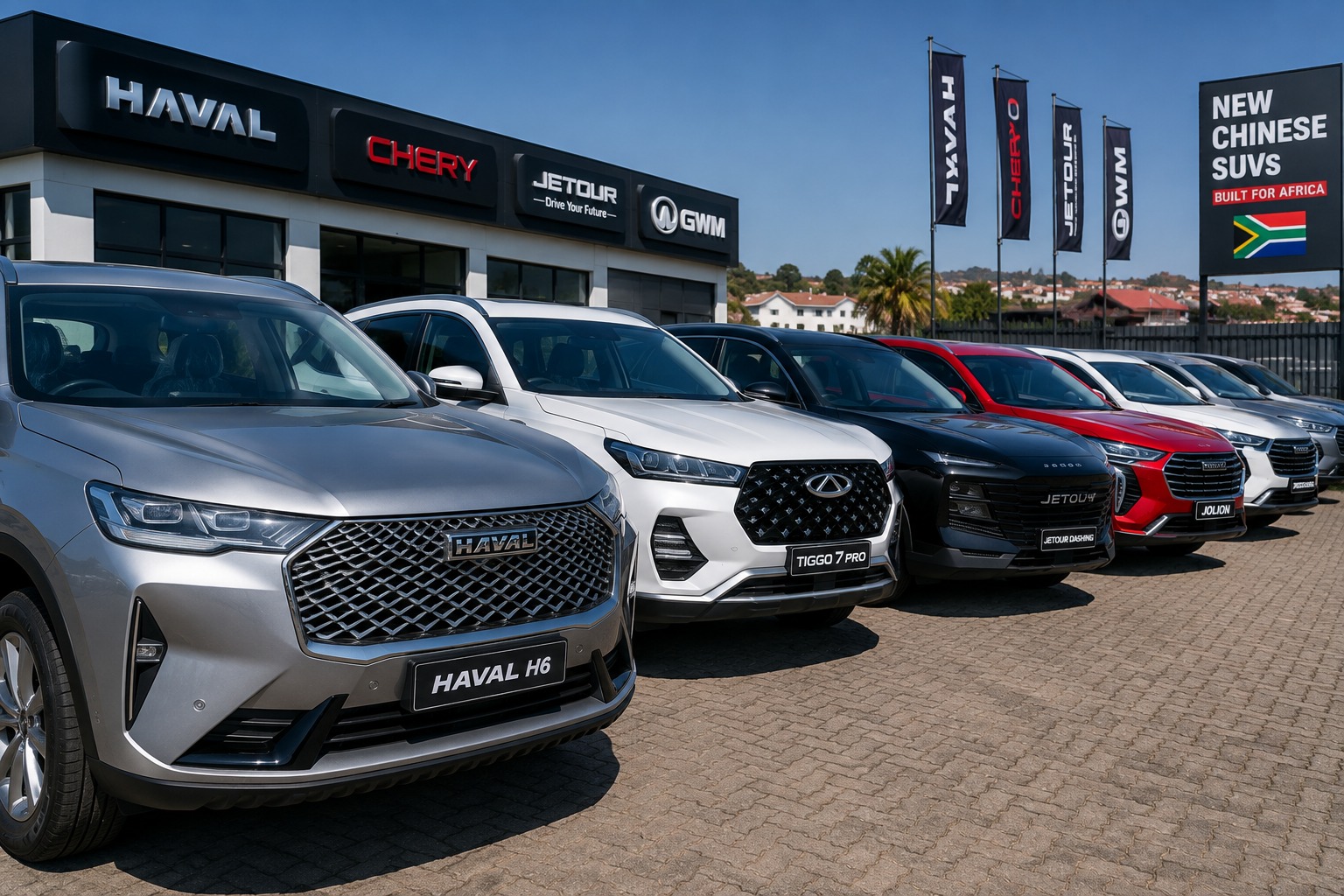
Chinese cars in South Africa have moved from a curiosity to a common sight on local roads, and that shift has been fast. Brands that were barely known a decade ago now compete directly with established Japanese, European, and Korean manufacturers on price, features, and warranty terms.
In this guide, we'll look at why Chinese cars in South Africa have grown so quickly, which brands are leading the charge, and what you should weigh up before buying one yourself.
Why Chinese Cars Are Growing in Popularity Locally
Over the past few years, Chinese cars in South Africa have expanded rapidly, driven largely by aggressive pricing and generous standard equipment. Because South African buyers are particularly price-sensitive, a new vehicle that undercuts established competitors while offering similar or better features has an obvious appeal.
In addition, many Chinese manufacturers have invested heavily in local dealer networks, service infrastructure, and marketing, which has helped build the kind of trust that was missing when these brands first entered the market. As a result, what used to be a niche segment has become a mainstream option for everyday buyers.
Leading Chinese Automotive Brands in the Local Market
Several Chinese automakers have carved out a strong presence, each targeting slightly different segments of the South African market.
Haval and GWM
GWM, along with its Haval sub-brand, has become one of the most recognisable Chinese manufacturers locally, offering everything from compact SUVs to bakkies. Their vehicles are widely praised for generous feature lists at competitive prices, which has helped them build a loyal following among value-conscious buyers.
Chery
Chery has re-entered the South African market with a modern lineup of SUVs, positioning itself as a budget-friendly alternative without sacrificing too much on technology or safety features. Consequently, the brand has attracted first-time new-car buyers who might otherwise have looked at a used premium vehicle instead.
BYD
BYD has focused primarily on electric and hybrid vehicles, bringing battery technology that was previously reserved for far more expensive brands into a more accessible price bracket. Because of this, BYD has played a meaningful role in introducing South African buyers to electrified motoring.
What Makes These Vehicles Appealing to South African Buyers
Chinese cars in South Africa tend to share a few common strengths that explain their rising popularity.
Competitive Pricing
Perhaps the biggest draw is price. Many Chinese models undercut equivalent Japanese or European vehicles by a significant margin, while still offering comparable or superior standard equipment, such as touchscreen infotainment, advanced safety systems, and generous warranties.
Generous Warranties
Several brands offer extended warranty periods, sometimes five to seven years, as a way of building buyer confidence. Similarly, this reassurance helps offset lingering concerns some buyers may have about long-term reliability.
Feature-Rich Interiors
Even entry-level models frequently include features that were once reserved for higher trim levels elsewhere, like reverse cameras, large touchscreens, and driver-assistance technology. Therefore, buyers often feel they're getting more value for their money compared to legacy brands.
Considerations Before Buying a Chinese Car in South Africa
While the appeal is clear, there are still a few things worth thinking through before committing to a purchase.
Resale Value
Because Chinese cars in South Africa are still a relatively newer segment for many models, resale values can be less predictable than those of long-established brands. However, as these manufacturers build a longer track record locally, resale confidence has been steadily improving.
Parts Availability and Service Network
Before buying, it's worth checking how widespread the dealer and parts network is in your specific area, since availability can vary between brands and regions. Furthermore, ask about typical turnaround times for parts, as this can affect how quickly your vehicle can be serviced if something needs replacing. In more rural areas particularly, it's worth confirming exactly how far the nearest dealer or approved service centre is before you buy.
Insurance Costs
Some insurers may price Chinese vehicles differently based on limited local claims history or parts costs, so it's worth getting a quote before finalising your decision rather than assuming it will match a comparable Japanese or European model. It's also worth comparing quotes from two or three insurers, since pricing approaches to newer brands can vary quite a bit between providers.
Safety Testing and Crash Ratings
Independent crash-test results have also played a role in shifting perceptions. A number of recent Chinese models have achieved strong ratings from international testing bodies, which has helped counter the outdated assumption that these vehicles lag behind on safety. Additionally, many now include the same driver-assistance features found in far more expensive vehicles, such as automatic emergency braking and lane-keep assist, as standard equipment rather than costly optional extras.
Read more on: How to Freshen Car Interior and Remove Bad Odors for Good
How Chinese Cars Compare to Established Brands
When comparing these vehicles to more established options, the gap in build quality and technology has narrowed considerably in recent years. That said, established brands often still have an edge in long-term resale value and a longer history of local reliability data, simply because they've been in the market longer. Ultimately, the right choice depends on how much you prioritise upfront value versus long-term track record.
Local Assembly and Import Trends
Some manufacturers have begun exploring local assembly options in South Africa, rather than relying solely on fully imported units. Because local assembly can reduce costs and improve delivery times, this shift may further strengthen the position of these brands in the years ahead. In the meantime, most vehicles are still imported, so it's worth asking your dealer about typical delivery timelines when placing an order.
Final Thoughts
Chinese cars in South Africa have earned their growing popularity through competitive pricing, generous features, and improving service networks. Even so, it's worth weighing resale value, parts availability, and insurance costs alongside the upfront savings before making a decision. With a bit of research into the specific model and dealer network in your area, a Chinese car can be a genuinely smart, value-packed choice for South African buyers, whether you're shopping for your first car or replacing a long-serving family vehicle.